


Competitive pricing analysis is a process of systematically evaluating competitors' prices to determine how your own prices compare and then make changes accordingly. It's especially useful in saturated or price-sensitive markets where small differences in price can significantly influence buying decisions. Unfortunately, competitive pricing analysis is often treated like a defensive tactic: track the competition, adjust prices, stay afloat. But the truth is, it's so much more. Behind the numbers and dashboards lie golden insights that can drive smarter decisions across various business functions.
Here are 5 unique benefits of competitive pricing analysis that most businesses overlook. If you're only using it to keep up with price competitors, you're missing out on its full power.
Competitive pricing analysis is a useful tool to identify and eliminate hidden financial leaks that eat into your profit margins. For instance, many businesses unknowingly overprice their product. This can quietly drain their profitability due to low conversion rates and increased customer acquisition costs. Competitive pricing analysis can identify such "misalignment with market expectations" and highlight when your value proposition may not justify the premium you're charging.
For example, Dropbox once offered its cloud storage solutions at pricing levels comparable to larger rivals like Google Drive and Microsoft OneDrive. This was despite lacking the ecosystem integration and collaboration tools that those competitors provided.
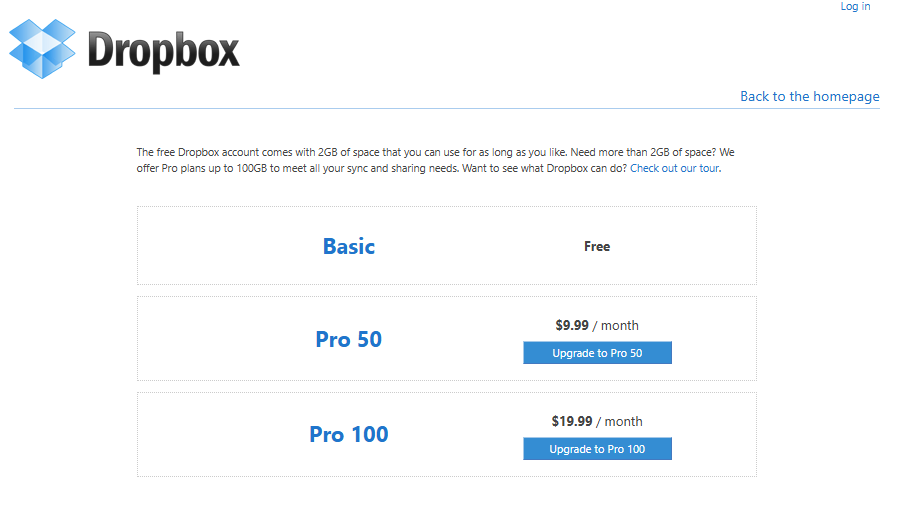
By adjusting pricing tiers and bundling features to better reflect the market, Dropbox later ensured that it wasn't completely obliterated by its competitors.
Competitive pricing analysis reveals white spaces, which are untapped or underserved spaces in the market. They include:
Apart from them, it also shows where your business can expand, reposition, or introduce new pricing models. For instance, based on what price competitors are not doing effectively, it can inform the development of budget-friendly product lines, geographic-specific offerings, etc.
Back in 2009, Amazon analyzed competitive pricing data and noticed customer demand for reliable, no-frills household and tech essentials. Many third-party sellers offered similar items within the Amazon marketplace, yet they often came with higher prices or inconsistent quality.
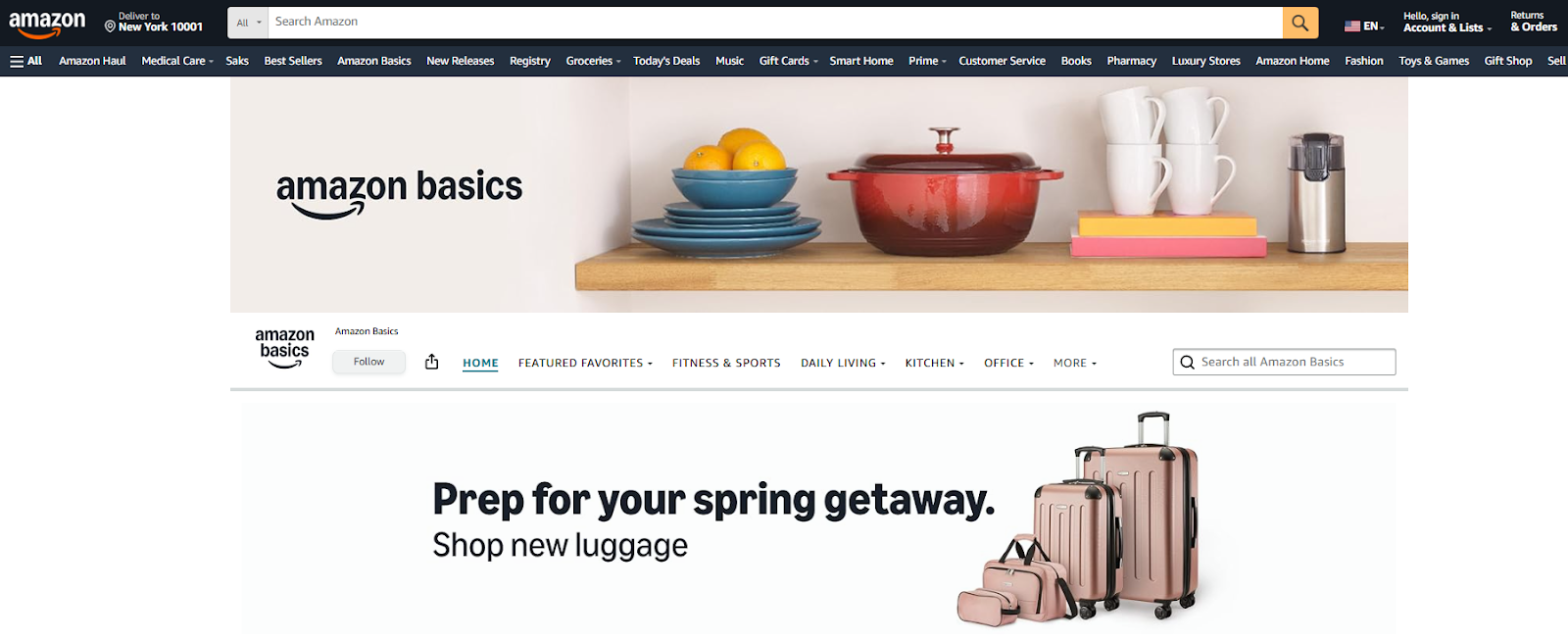
That's when Amazon decided to launch Amazon Basics, a private-label line priced below comparable branded items. By cutting out middlemen and using their own manufacturing and fulfillment systems, Amazon matched or beat competitors' prices while ensuring solid quality.
When you closely monitor how rival businesses price their products—when they discount, which segments they target, and how frequently they change prices—you can identify patterns. These patterns often signal inefficiencies such as:
Casper Sleep launched with a high-end mattress priced around $1 000+ for a queen size. It banked on branding, quality, and convenience. The mattress-in-a-box space quickly became saturated.
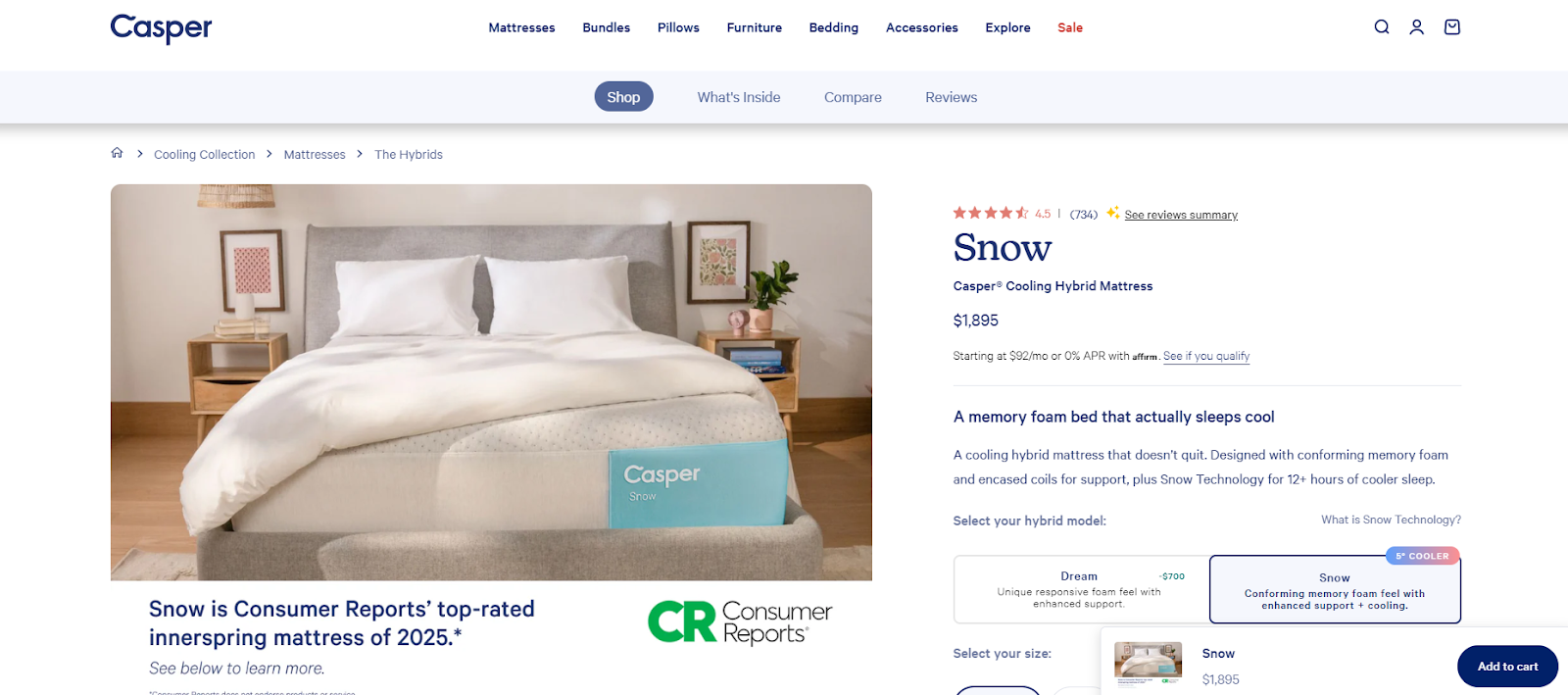
Tuft & Needle entered with a similar high-quality foam mattress priced at $595—about 40 % less—and soon gained traction, significantly eating into Casper's market share.
Competitive pricing analysis is not just about numbers; it's also about how your product is perceived in value relative to others. By benchmarking your product's pricing against competitors with similar attributes—functionality, design, brand strength, or service—you can assess where your offering stands in the customer's eyes. Are you delivering more value for a similar price, or charging a premium without benefits to back it up?
Before launching Apple Watch in 2015, Apple entered a market where most smartwatches were $150–$200. By analyzing competitor prices, Apple saw that although its entry point of $349 was higher, the perceived value justified the premium.
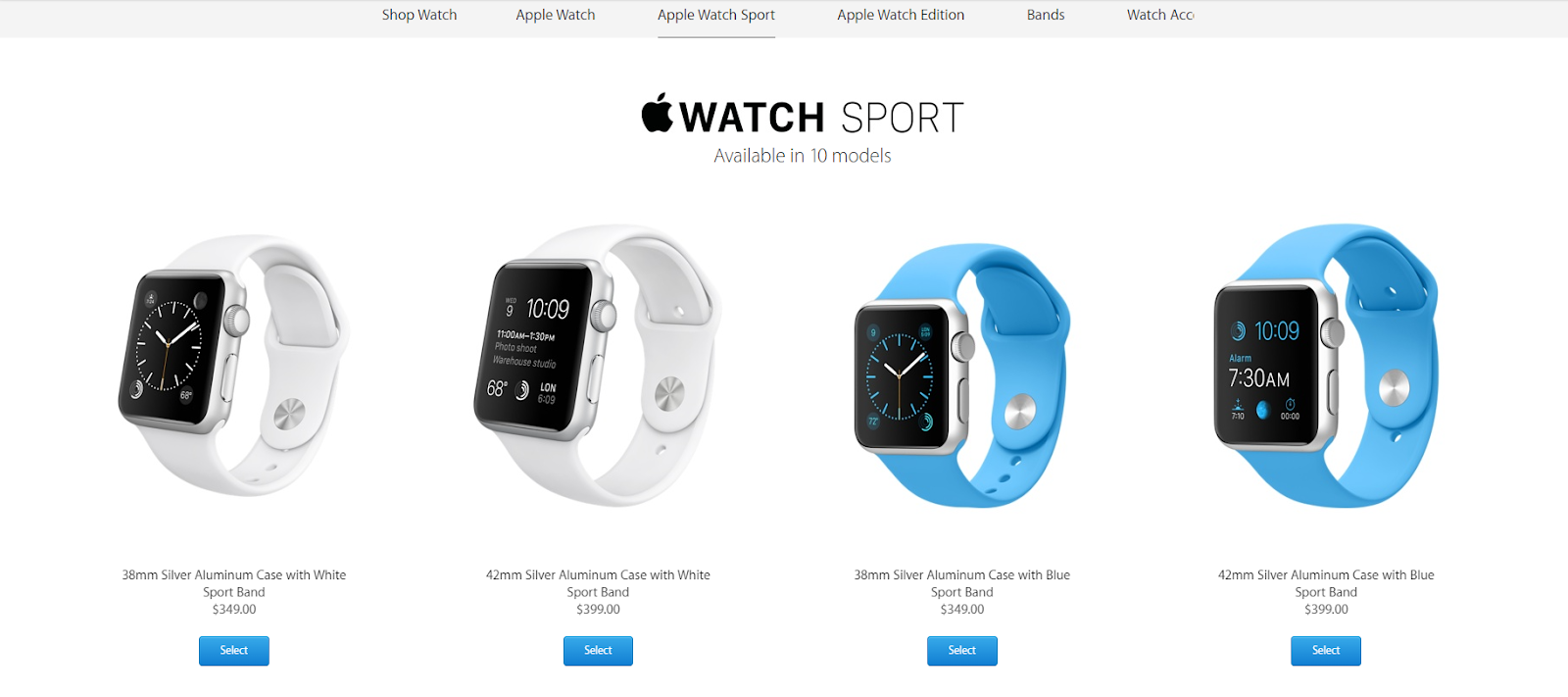
Factors like brand equity, seamless integration with the Apple ecosystem, premium design, and UX positioned Apple Watch as a lifestyle accessory rather than just a gadget. Pricing higher neither left money on the table nor devalued the brand.
The intelligence about what features your customers are willing to pay for helps your teams design products that not only meet market expectations but are also commercially viable from day one. For example, if the analysis shows that the market is replete with overpriced basic models with minimal functionality, it can inspire the development of a competitively priced alternative that fills that void.
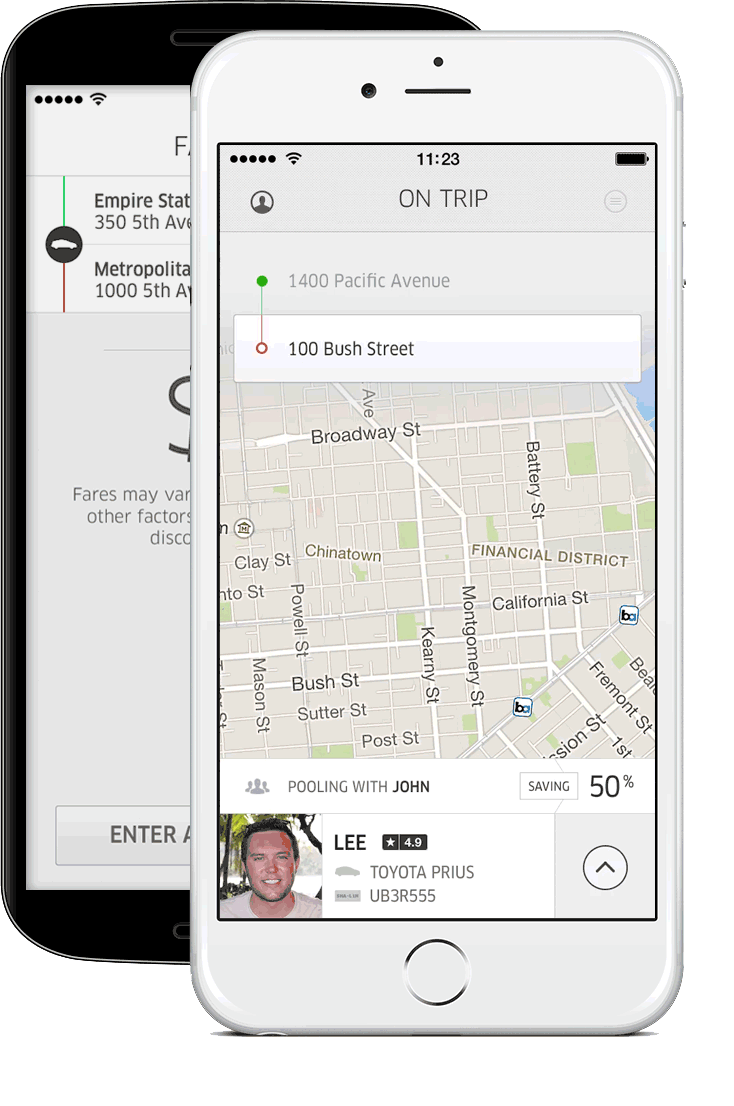
Uber's launch of UberPOOL is a strong example of identifying and filling a market gap created by overpriced basic models. Before its inception, many solo ride services, both traditional taxis and ride-hailing apps, were too expensive for cost-sensitive users who didn't require a private ride.
In response to this, Uber introduced UberPOOL, a shared ride option that significantly reduced costs by allowing passengers heading in the same direction to split fares.
Implementing an effective competitive pricing strategy requires a smart, efficient way to gather and analyze market and competitor data. You also need the agility to make pricing adjustments in real-time. Instead of manually tracking price changes and constantly updating pricing lists, Anakin's pricing intelligence platform helps you streamline this whole process. By delivering tens of millions of competitive pricing data points daily with unparalleled accuracy, Anakin enables you to execute competitive pricing strategies from day one. Book your free demo to know more about Anakin and how we can help.
Written by Anakin Team